
This lesson continues the sermon series on the Woes to the Scribes and Pharisees. I had originally thought that this would take maybe two Sundays to go over, but I have really enjoyed diving a little deeper into these verses than I might normally, so I hope that you have found it useful as well.
Before we begin though, let’s pray.
Matthew 23:23-28 ESV
23 “Woe to you, scribes and Pharisees, hypocrites! For you tithe mint and dill and cumin, and have neglected the weightier matters of the law: justice and mercy and faithfulness. These you ought to have done, without neglecting the others. 24 You blind guides, straining out a gnat and swallowing a camel!
25 “Woe to you, scribes and Pharisees, hypocrites! For you clean the outside of the cup and the plate, but inside they are full of greed and self-indulgence. 26 You blind Pharisee! First clean the inside of the cup and the plate, that the outside also may be clean.
27 “Woe to you, scribes and Pharisees, hypocrites! For you are like whitewashed tombs, which outwardly appear beautiful, but within are full of dead people’s bones and all uncleanness. 28 So you also outwardly appear righteous to others, but within you are full of hypocrisy and lawlessness.
The Weightier Matters

A police officer pulls a guy over and the guy has two penguins in the backseat. The officer says, “You can’t drive around with endangered penguins. You need to take them to the zoo.” The guy says he will, and the officer lets him go. The next day, the officer pulls the same guy over and the penguins are in the backseat again, only today they’re wearing Hawaiian shirts and sunglasses. The officer says, “Hey! I told you to take those penguins to the zoo!” The guy says, “I did that yesterday. Today we’re going to the beach!”
Sometimes we miss the point.
The scribes and Pharisees were missing the point. They were making sure to practice these small things and had forgotten the reason that the small things are important. To top that off, we aren’t even sure that what they were doing was necessarily required. According to the law as prescribed in Leviticus, Numbers and Deuteronomy, these small herbs are not listed! It was the Talmud that described this practice of being a refinement of the original law. Moses and the Israelites of that era would not have practiced this kind of tithing. But let’s look at these things that they are tithing and the imagery that it presents.
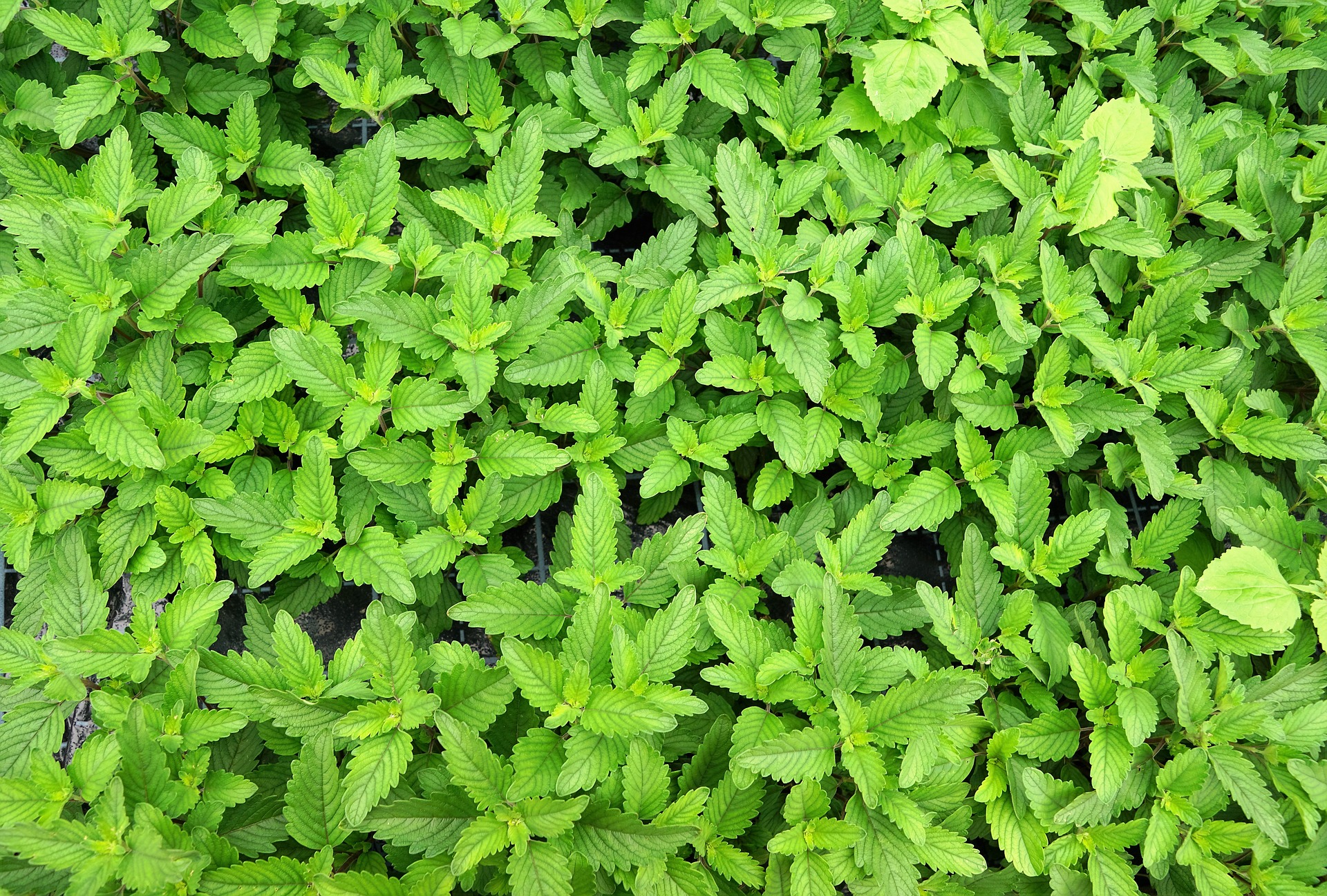
How big are mint leaves? They are tiny. Can you imagine sitting there and counting out mint leaves in order to find 1/10th of them??! What about dill?
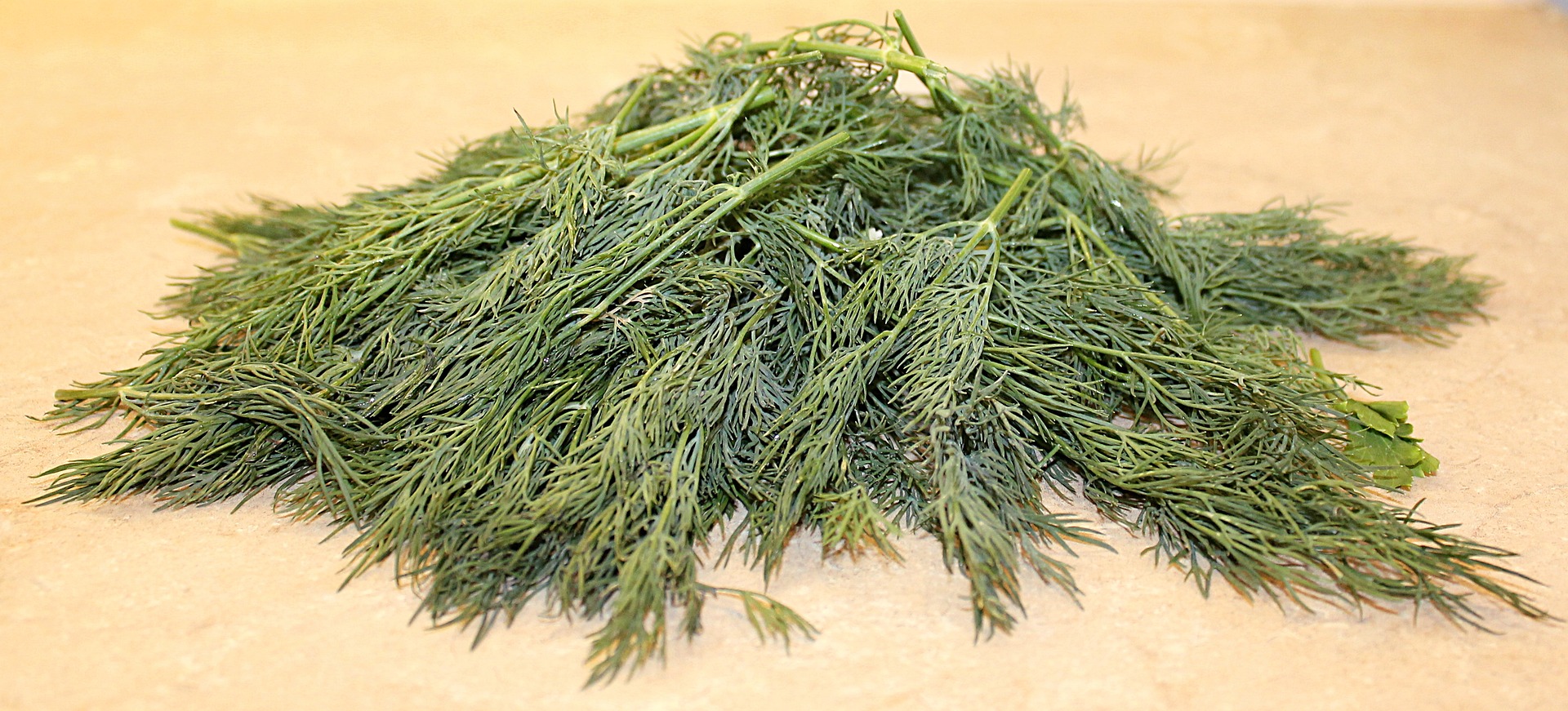
This is a picture of dill. Enjoy your time finding 1/10th of that to separate!
 This picture is from wikipedia.org and was uploaded by author Humbads under the Creative Commons Atribution-Share Alike 3.0 Unported license.

And finally we have the cumin seeds. Once again. Tiny. The time required to sort 1 out of every 10 of these seeds would be extremely painful and time consuming. Now, I don’t want to make too much of them going outside of what the law required. There are many things the the law doesn’t detail in regards to tithing. We understand that the counting of the mint, dill, and cumin was trying to follow the spirit of the law, whether or not they needed to tithe these things is really not the point. Jesus doesn’t directly attack the inclusion of these things in tithing, the point He makes is that they were so concerned on these small things that they were missing the big picture.

Without understanding that, the comparison of tha gnat and a camel is something that is merely humorous. It gets its point across, but we maybe miss the full weight of the statement. Did you know that gnats were an unclean animal? In addition, camels are also unclean animals. This sketch that Jesus puts before them is this idea that a Pharisee is painstakingly straining out this almost invisible insect, because if he eats it, he will become unclean. However, the camel he is eating is equally unclean, and somehow, he misses it. Don’t miss the fact that if the Jew were to eat either of these things they become unclean. Let us not think that we should ignore these small things because they are small. Swallowing the gnat makes us unclean. But equally so does the weightier thing of the camel.
Quote by Harold Fowler
The extraordinary meticulousness of Pharisees regarding their tithing is, in itself, commendable, because they had covenanted before God not to appropriate for personal use anything that rightly belonged to Him, however great or small it might be. If only more Christians would share this same conscientiousness and faithfulness in small things (Luke 16:lOf.; 19:17) (Fowler:338)
That is why Jesus says:
Matthew 23:23b ESV
These you ought to have done, without neglecting the others.
Christianity can seem hard at times. We are even told in Luke 9:23 to “deny ourselves and take up our crosses daily”. Denying ourselves and taking up our crosses are not easy things to do. We don’t live in a society where either of these things are viewed as important. We live in a society that says “If it feels good, do it.” We looked this last Sunday in some of our home groups at the fact that Christianity is a process of continual observance of faithfulness and that if we don’t continue to be faithful, then we can fall away. While I don’t want to delve into that topic specifically today, I think all of us probably think about our faith regularly and question ourselves with “Am I living faithfully?” And I think that is healthy. But sometimes, in our desire to live faithfully and wanting to know that we are “Okay with God”, we can boil things down to a formula.
- Did I pray today? ✔
- Did I read my Bible for exactly five minutes. ✔
- Did I post a Bible verse on my Facebook so that I can say that I “shared the Gospel” this week. ✔
It seems to be in our nature, and in the nature of the Scribes and Pharisees to boil things down to the easiest thing possible. Is tithing important? Of course. However, it is important because it is an aspect of faithfulness. I am going to give an example that is going to make everyone in their seat get a little uncomfortable, but stick with me. Sometimes I think we can use the steps of becoming a Christian in these same ways. The process of becoming a Christian is not a checklist of did I believe, did I confess that I was a sinner, did I turn away from sin, and did I get dunked, these are all things that fall under wanting to live our lives in faithfulness to God, not because if we do them that the act, in-of-itself is going to save us, but because it is a demonstration of our faith, belief and obedience to what God calls us to do. If we neglect those “Weightier matters” of why we are doing these things, then splashing around in some water isn’t going to do us any good. And I think that if we simply bring people to that point of accepting that they are a sinner, repenting, confessing and being baptised, without connecting, and demonstrating through our words and actions that those are just one part of faithful living, we are simply making people “more a child of hell”, just like the Pharisees did.
Filth on the Inside, Clean on the Outside

The Cup
In a D.C. Community near the Anacostia River, people are eating and sharing fish from a contaminated river.
One of the most notable chemical pollutants in the river is polychlorinated biphenyls (PCBs), which have immune, reproductive, endocrine, and neurological effects, and may cause cancer and affect children’s cognitive development. This and other chemicals build up in the river bottom, where they make their way up the food chain and become stored in the tissues of fish, posing a health threat if people consume them. Link to original article.
Now the problem in this case is multi-fold. People see the fish, they look good to eat, and so they eat them. However, there are signs up that say that just because it looks clean, doesn’t mean it is. These signs warn people of the dangers, and yet people do it anyway. Now the reason in this case is this river runs through a very poor area and people are more interested in having something to keep them from being hungry today than they are of the long term effects later on.
Now, how do we clean up the fish in this river and make them good to eat again? We clean up the river. The things going into the fish have to be clean. If the inside is clean, the outside will be clean as well.
These Scribes and Pharisees are much like these fish. Verse 25 says that the scribes and Pharisees look good on the outside but inside are full of greed and self-indulgence. Remember in the previous verse they are tithing, which is supposed to be us giving to God what is His. But they are still full of greed and self-indulgence despite trying to seem like they are giving to God freely. The act was not penetrating their hearts. If they would get rid of the greed and self-indulgence they would give freely and would then appear righteous as a by-product instead of just doing it to appear righteous.
We Cleanse Ourselves Through Prayer

So, how do we clean the insides of ourselves? James says that if we need wisdom, we are to ask for it. That is, we are to pray. Paul says that we are to “pray without ceasing” and I would challenge you to try that this week. It is hard. But we need to be people, who when we are happy, we thank God for it. When we are sad, we tell God about it. When we have success, the first person we should want to share that success with is God. The first person we should go to for comfort should be God. We need to make Him the centre of our lives and part of that means taking into ourselves a prayerful relationship and constant requests for wisdom from God.
We Cleanse Ourselves Through His Word

Jesus talks a lot about himself being “the living water” to the woman at the well in John 4:14. He talks about Himself being “the bread of life” in John 6:35. In the institution of the Lord’s supper we remember the body and blood of Jesus Christ while taking into ourselves the bread and the fruit of the vine. We need to take in Jesus. We do that through several means.
The other way that we take the living water and bread of life into ourselves is through the words of God. We can only get those through opening the Word of God. And that is hard in our modern society. We get up, we get ready for work or school or whatever, we eat, we work or we study, we shop, we cook, we clean, we look after children, we look after spouses, we do things with or for friends, we participate in sports, or other extracurricular activities, and when we get to the end of the day we have nothing left for the God of the Universe that keeps our very world spinning. Forget about saving the best for Him, we don’t have anything left to give Him. We come to Him empty. We are full of greed and self-indulgence with our time and our actions. Now, I am not saying that we should tithe our time to God, but remember that tithing is a act of faithfulness. Our time, our energy, all that we have is God’s. And yet, we don’t give of ourselves to Him.
Now I’m going on a sidebar that isn’t quite related here, but the ironic thing is; God doesn’t need anything we could give Him. But by withholding our time from Him, we actually are penalizing ourselves.
Paul says in Romans 15:13:
Romans 15:13 NIV
May the God of hope fill you with all joy and peace as you trust in him, so that you may overflow with hope by the power of the Holy Spirit.
We come to the end of a day tired, thinking ourselves empty and being greedy with our time and effort we don’t open His word and spend time with Him as we should, but yet it is opening His word that will give us the peace and joy that we desire. That isn’t to say that His word isn’t challenging. It is, but it is also hopeful. It is invigorating to read the words of God. These words have power. Sometimes we fear that this “sword” as it is referred to will cut us and so we keep it on the shelf and out of our hands, decorative, but useless. It is there to give us hope and to cut ourselves off from it for fear of the cuts that may come, and this is detrimental to our mental and spiritual health. We need to be faithful to God. Part of that faithful living is taking in His words so that we are clean on the inside.
We Cleanse Ourselves Through Fellowship

We cleanse ourselves through prayer, the word of God and through encouragement from other Christians.
Philippians 2:1-2 ESV
1 So if there is any encouragement in Christ, any comfort from love, any participation in the Spirit, any affection and sympathy, 2 complete my joy by being of the same mind, having the same love, being in full accord and of one mind.
We grow closer to God through our relationship of prayer and study of His Word. While we do that, we collectively offer affection, sympathy, love, joy to each other and we grow together to be in full accord and of the same mind.
Everywhere around us we see people talking of community. We see an explosion of social media. There are ways of contacting people 24 hours a day 7 days a week, 365 days a year and yet studies show repeatedly that people are more lonely now than ever.
One extremely important way that we are to cleanse ourselves and keep ourselves whole is through the relationships we have with each other. I admit, this is a hard area for me. I am quite an introverted person by nature. I would much rather sit by myself with a book or on my computer than I would to go out and be with people. But you know what? When I do get out with other Christians, there is a filling that you can’t get by yourself. Just this last week, we had dinner with a couple in the Drayton Church. And as I always do when I’m going to be put in a social situation I start to get nervous. I get nervous about what we are going to talk about, I worry that the conversation won’t flow. I worry that I will be awkward. But do you know what? It was as easy as falling off a bridge being with this other couple. We had Christ in common. We talked about work, we talked about raising kids in a Christian way in a non-Christian society. We talked about the worries we had for our children. We talked about the importance of family and throughout all of these things Christian values and Christian living were central, so it was easy to relate and I went away feeling rejuvenated knowing that there were people like us, going through the same things we are and are walking with the Lord with us.
We Cleanse Ourselves by Removing Sins in Our Lives
The Tomb
I haven’t forgotten verses 27 and 28. These verses are similar to the previous verses about what we take in, but in a slightly different contextual example. It still pronounces a woe on the scribes and Pharisees for appearing outwardly beautiful but being unclean on the inside but instead of there being an inward component of taking in filth from a dirty cup, here they are desecrating themselves from the outside-in. They are referred to as whitewashed tombs. But inside, they are full of “dead man’s bones and all uncleanness.
In Jewish society dead bodies desecrated the body of a person. If someone touched a dead body they became unclean and had to go through a ritual to cleanse themselves.
Numbers 19:11-13 ESV
11“Whoever touches the dead body of any person shall be unclean seven days. 12He shall cleanse himself with the water on the third day and on the seventh day, and so be clean. But if he does not cleanse himself on the third day and on the seventh day, he will not become clean. 13Whoever touches a dead person, the body of anyone who has died, and does not cleanse himself, defiles the tabernacle of the Lord, and that person shall be cut off from Israel; because the water for impurity was not thrown on him, he shall be unclean. His uncleanness is still on him.
Numbers 19:20 ESV
20“If the man who is unclean does not cleanse himself, that person shall be cut off from the midst of the assembly, since he has defiled the sanctuary of the Lord. Because the water for impurity has not been thrown on him, he is unclean.
I think we can think of this in practical ways in our own lives. There are things that we can do, touch, feel, that make us unclean. One thing that we can do with our bodies that makes us unclean is sexual immorality. In 1 Corinthians there are many stories about uncleanness in the community because of sexual immorality. There was one case where one man was sleeping with his father’s wife. The Corinthians are advised the remove that person from the body of believers because by his very association with the body of Christ he was making all of them unclean. This is the same advice that is used for the person who was unclean from touching a dead body and yet wouldn’t go through the process of becoming clean again. We learned in our last lesson on these chapters that we are the Temple of God. Together as a group we are the Body of Christ. This unclean person is a tumor that needs to be removed, lest the whole body fall to the corruption.
These scribes and Pharisees are unwilling to cleanse themselves, and thus they needed to be removed. What do you need to remove in your life? Are you willing to remove it? Or are you going to remain unclean and have to be removed from the body because you won’t cleanse yourself.
The Scribes and Pharisees had missed the point. They had focused themselves on the small things without keeping track of the big things. They allowed themselves to become unclean on the inside, even through they looked good on the outside. We need to make sure that in our lives we are cleansing ourselves from the inside out and removing sin from our lives so that we will be clean.
Citations
Fowler, Harold. 1968. The Gospel of Matthew. Vol I: Joplin: College Press